
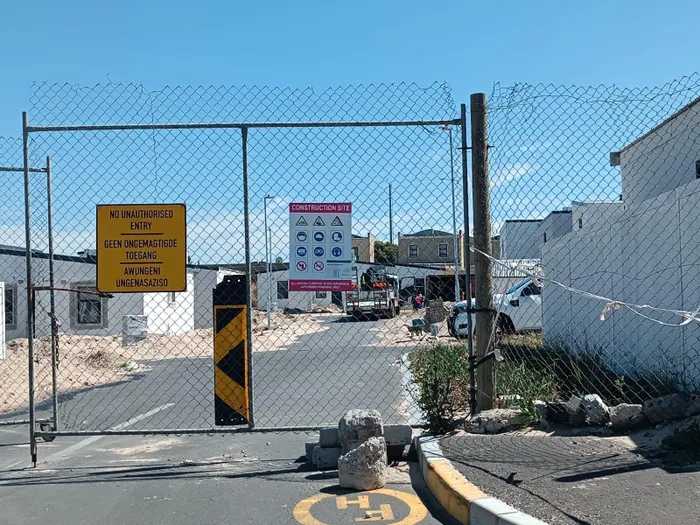
Title deeds soar in Cape Town, but the housing department must address construction lags and land acquisition issues to meet growing demands.
Image: Supplied
Cape Town’s housing department has made significant strides by issuing over 2 000 title deeds in just three months, which is more than double the planned target.
This is according to the City of Cape Town’s human settlements directorate's second-quarter performance report for the 2025/26 financial year.
It was tabled before the directorate's portfolio committee this month.
The report covers the period from October to December last year and tracks progress in housing delivery, informal settlement upgrades and property ownership transfers.
It also shows that issuing title deeds far exceeded expectations.
The quarterly target had been 800 title deeds but 2 039 were registered during the reporting period.
According to the report, this followed council approval for an exemption allowing certain historical property transfers to proceed without the usual clearance requirements.
However, other housing targets were not met during the same period.
The report shows the delivery of houses fell below target. A total of 651 top structures were completed against a target of 750 houses.
The report states that delays in appointing preferred contractors slowed construction at projects including Atlantis Phase 2.1a and Maroela South, pushing some timelines back.
It also shows that no new land was acquired for housing development during the quarter despite a target of 19 hectares.
The report notes that valuations were still underway for several properties identified for acquisition, although Portion 73 of Farm Gustrouw No 918 had already been registered in the city’s name.
In other areas, the report shows that targets were exceeded.
A total of 246 informal settlement sites were serviced during the quarter, beating the target of 200.
The report attributes the result to accelerated delivery which allowed the work to be completed earlier than expected.
Employment targets linked to housing programmes also fell short during the quarter.
The report says the number of work opportunities created was affected by challenges with the randomisation process used to recruit workers from the city’s jobseeker database.
Measures introduced to address the problem included jobseeker drives in blocks of flats and informal settlements as well as the use of exclusion reports aimed at improving fairness and transparency in the recruitment process.
The performance report will now be reviewed by the executive mayor and mayoral committee before being submitted to the council for noting.
A separate progress report to the same committee also provides an update on the Gugulethu Infill Housing Project, a development aimed at delivering more than 1 000 homes across two sites in Gugulethu and Nyanga.
The report shows that 390 of the planned 1,004 housing units have been handed over so far, meaning the project is just over a third complete.
The first batch of 450 homes is expected to be completed by June this year.
The report also records challenges affecting the development, including vandalised electrical infrastructure and illegally occupied housing units.
Engagements were held with 112 illegal occupants and 38 agreed to vacate the units they were occupying.
The report states that procurement processes are continuing for the remaining phases of the project while construction continues on site.