

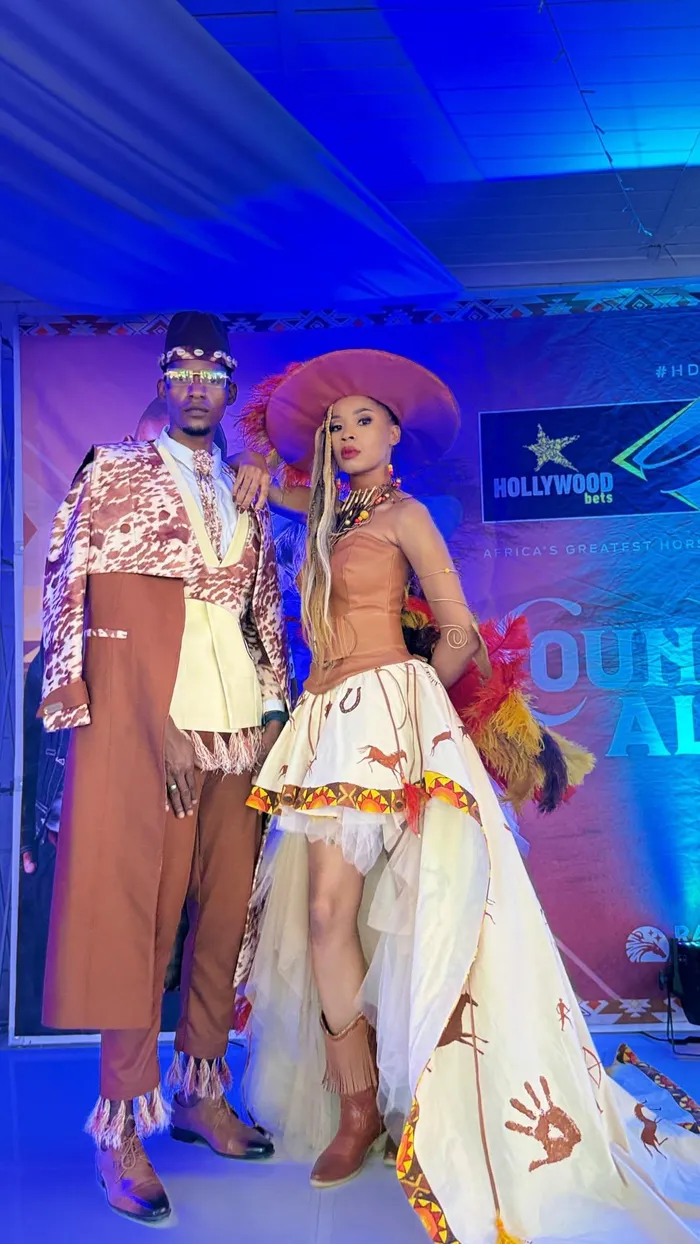
According to Devin Heffer, Hollywoodbets brand and communications manager, the event's success reflects a broader recovery in South African horse racing, largely driven by the group's extensive financial interventions.
Image: Facebook/Hollywoodbets Durban July
Africa’s premier horse racing and social event, the Hollywoodbets Durban July, is set to inject nearly R1 billion into the eThekwini economy this year, marking a major turnaround for an industry that faced total collapse just a few years ago.
The iconic event, featuring a R10 million prize pool and 18 of South Africa’s top thoroughbreds, is expected to draw over 45,000 spectators. The projected growth follows a stellar performance last year, where the event's socio-economic impact reached R840 million, up from R690 million in 2024.
According to Devin Heffer, Hollywoodbets brand and communications manager, the event's success reflects a broader recovery in South African horse racing, largely driven by the group's extensive financial interventions.
The industry’s decline began with the Steinhoff and Marcus Jooste scandal in 2017/2018, followed by the devastating financial impact of Covid-19 in 2020. The pandemic halted racing, triggered a withdrawal of investments, and caused a sharp decline in the horse population as owners and breeders struggled to cover costs.
Hollywoodbets entered the space in 2019 to assist the financially distressed KwaZulu-Natal (KZN) operator, Gold Circle, initially securing naming rights for the Greyville and Scottsville racecourses before becoming the title sponsor of the Durban July in 2022.
The group's rescue mission extended to the Western Cape in 2022, where the regional racing operator faced imminent liquidation. Hollywoodbets provided critical loan funding before taking full ownership of Cape Racing on December 1, 2023.
Infrastructure upgrades and renovations under Cape Racing successfully brought owners back to the sport. Growth accelerated further when the Hollywood Group officially acquired Gold Circle on May 1, 2025. Weeks later, Race Coast was established to unify KZN and Western Cape racing operations under a single banner.
Since the consolidation, investment has neared R1 billion. Capital expenditure has been directed at infrastructure upgrades at Greyville, Scottsville, Kenilworth, and Durbanville racecourses, alongside major training centres in Milnerton and Summerveld. The South African Jockey Academy has also received substantial development funding.
At Greyville, investments include facility and equipment upgrades, Polytrack rejuvenation, and a multi-million-rand lighting system. The financial spillover has significantly benefited local suppliers, construction firms, and civil labourers.
To counter the decline in the domestic horse population, compounded by the pandemic and an outbreak of African horse sickness that restricted exports, Hollywood Racing grew its own stable to 275 thoroughbreds.
The group has also imported 21 horses from Australia, New Zealand, and Argentina to strengthen local breeding stock, with more arrivals expected later this year.
Employment opportunities have been bolstered through the Race Coast Incentive Scheme, which rewards owners, trainers, and jockeys. Since August 2024 in the Western Cape and January 2025 in KZN, the scheme has paid R11 million in trainer incentives and R3.5 million to jockeys.
Grooms have received more than R8.5 million in incentives since late 2019. Furthermore, the strategic buyouts saved 15,000 jobs in KZN and the Western Cape. Locally, horse racing supports over 60,000 jobs and sustains an estimated 300,000 dependents nationwide.
Heffer noted that the flagship event's growth, along with R50 million generated in taxes from the single-day event, proves the sport has moved firmly from recovery to growth. As the 2026 Hollywoodbets Durban July draws near, the race stands as a powerful symbol of renewed commercial confidence.
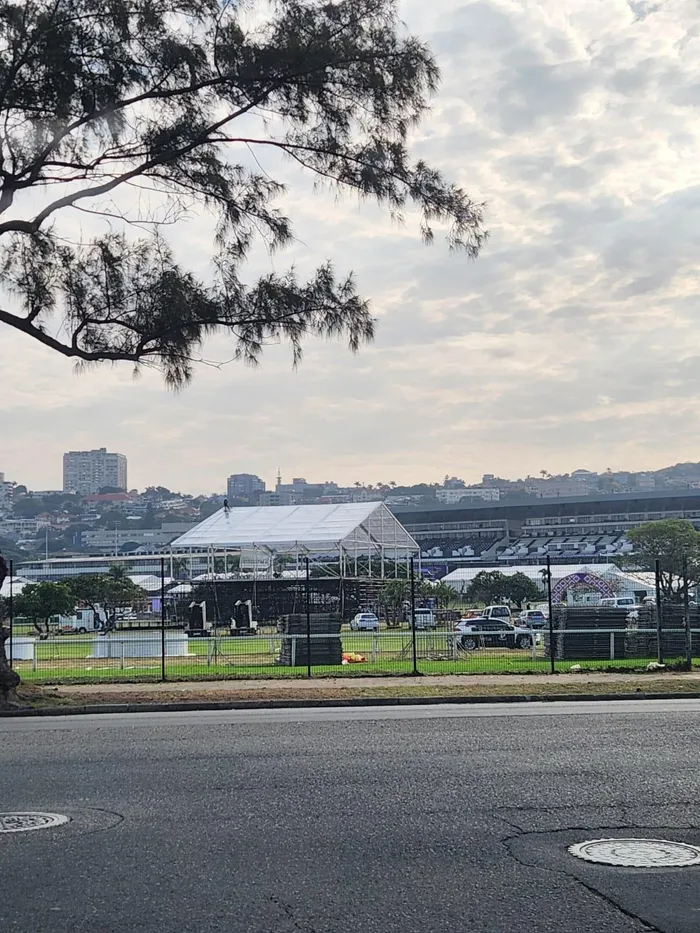
At Greyville, investments include facility and equipment upgrades, Polytrack rejuvenation, and a multi-million-rand lighting system. The financial spillover has significantly benefited local suppliers, construction firms, and civil labourers.
Image: Se-Anne Rall/IOL
At Greyville, investments include facility and equipment upgrades, Polytrack rejuvenation, and a multi-million-rand lighting system. The financial spillover has significantly benefited local suppliers, construction firms, and civil labourers.
To counter the decline in the domestic horse population—compounded by the pandemic and an outbreak of African horse sickness that restricted exports—Hollywood Racing grew its own stable to 275 thoroughbreds. The group has also imported 21 horses from Australia, New Zealand, and Argentina to strengthen local breeding stock, with more arrivals expected later this year.
Employment opportunities have been bolstered through the Race Coast Incentive Scheme, which rewards owners, trainers, and jockeys. Since August 2024 in the Western Cape and January 2025 in KZN, the scheme has paid R11 million in trainer incentives and R3.5 million to jockeys.
Grooms have received more than R8.5 million in incentives since late 2019. Furthermore, the strategic buyouts saved 15,000 jobs in KZN and the Western Cape. Locally, horse racing supports over 60,000 jobs and sustains an estimated 300,000 dependents nationwide.
Heffer noted that the flagship event's growth, along with R50 million generated in taxes from the single-day event, proves the sport has moved firmly from recovery to growth. As the 2026 Hollywoodbets Durban July draws near, the race stands as a powerful symbol of renewed commercial confidence.
IOL