

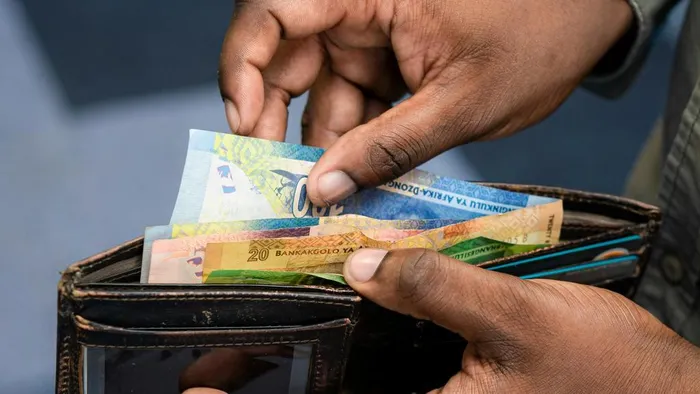
As global geopolitical tensions continue to shape economic conditions, their impact is being felt far closer to home than many South Africans realise, particularly in the rising cost of everyday essentials.
Image: Pexels.com
Geopolitics may sound like something that only happens far away; wars, global tensions, and trade disputes between powerful countries. But these events don’t stay distant. They often have real consequences for ordinary South Africans.
When tensions flare, whether it’s in the Middle East or Eastern Europe, the fallout isn’t limited to just news reports; it infiltrates supply chains and directly affects the monthly budget of every household.
"The price of petrol at the local station can dramatically change overnight, but the consequences extend far beyond the fuel pump," explained Financial Adviser at Momentum Financial Planning, Ross McMillan.
Stage one involves soaring energy prices. As a net importer of oil, South Africa feels the impact instantly. For instance, if critical shipping routes like the Strait of Hormuz experience disruption, global oil prices surge, leading to immediate increases in commuting and logistical costs.
McMillan said stage two follows closely, marked by escalating logistics costs.
"Every item purchased, from groceries to home necessities, relies on transportation, when fuel prices rise, the costs trickle down through the supply chain. Transport companies typically pass these heightened expenses onto retailers, who subsequently transfer the burden onto consumers."
Finally, stage three brings the unavoidable hike in the prices of groceries and essential goods. The link between geopolitical unrest and food inflation is often underestimated: food production, processing, and packaging are energy-dependent. Thus, a geopolitical incident occurring thousands of miles away can ultimately lead to inflated grocery bills at local markets.
When faced with rising expenses, many naturally adopt a reactive stance—cutting back on discretionary spending or dipping into hard-earned savings to cope with the financial strain. While these strategies may provide short-term relief, they are merely emergency measures rather than sustainable solutions.
"To safeguard your household finances in the long run, adopting a proactive approach is crucial. This entails examining the structure of your financial plan and how well it can absorb external shocks brought on by global events," McMillan said.
Instead of succumbing to stress and uncertainty in times of geopolitical upheaval, it’s essential to be proactive. Meeting with your financial adviser to discuss the following areas can provide clarity and reassurance:
McMillan said geopolitical tensions are a reality of the modern world, but they don't have to be a threat to your peace of mind.
"By moving away from reactive budget-trimming and toward proactive risk-reduction, you can maintain the level of financial security you’ve worked hard to build."
IOL