

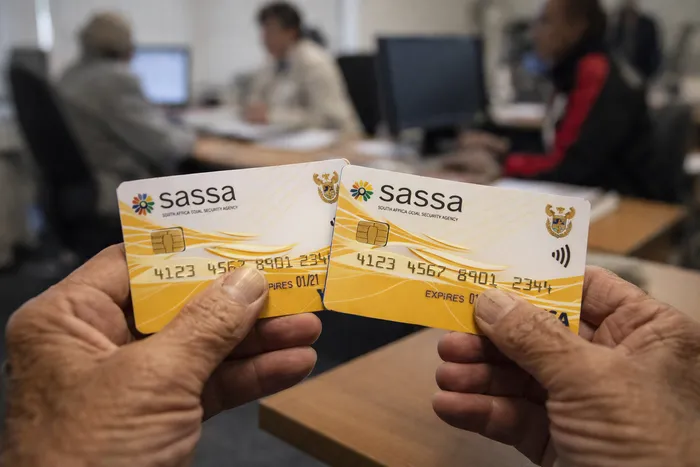
In response to viral allegations, SASSA reassures pensioners of its integrity, urging them to remain vigilant against insurance scams
Image: Sora
The South African Social Security Agency (SASSA) has denied allegations that its officials are involved in insurance scams targeting pensioners.
This follows a video circulating on social media in which two individuals claimed they were approached by people posing as representatives of insurance companies, including Clientele Life and IFA. The scammers allegedly promised food vouchers and other benefits, but after the pensioners shared their personal information, money was deducted from their bank accounts.
In a statement to the media, SASSA CEO Themba Matlou distanced the agency from these incidents and called on beneficiaries not share their personal details.
"The Agency’s name should not be associated with people not employed or operating on behalf of SASSA.
“We advise our beneficiaries to be careful who they share their personal details with, especially their banking details. We always conduct educational sessions for our beneficiaries on SASSA processes and, more importantly, on how to protect personal information,” Matlou said.
He also added that SASSA does not work directly with insurance or funeral companies.
"SASSA has consistently distanced itself from any insurance company that uses the good name of the Agency to achieve its goals. SASSA does not, at any point, work with funeral schemes and insurance companies directly.
"Even SASSA has no authority to make any deductions on social grants without the consent of the beneficiaries. Where funeral deductions are permissible by legislation, SASSA runs a very tightly controlled process, which includes biometric enrollment and consent".
SASSA said that beneficiaries who notice unauthorised deductions from their grants should take immediate action.
"The deduction is not made by SASSA, but directly through a debit order from the client’s bank account. In other words, you can see it on your bank statement; the client needs to then engage their respective bank to dispute the debit order.
"If they are not able to resolve the matter with the Service Provider who has actioned the debit order, the client can then approach the National Financial Ombuds Scheme"
IOL Business