

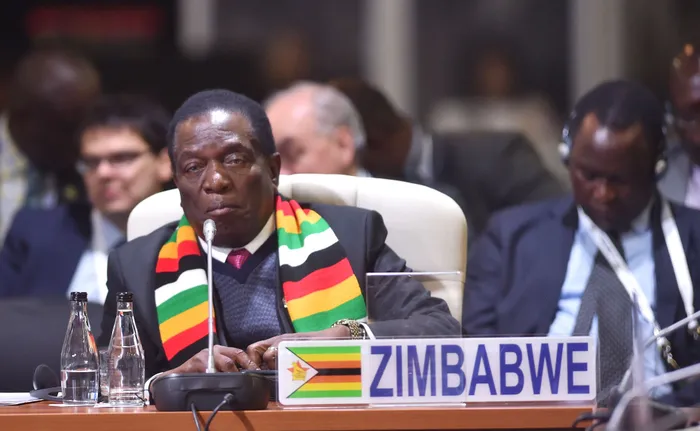
According to the IMF, Zimbabwe's implementation of the program through the end of March 2026 was strong, with all quantitative targets and structural benchmarks achieved and most indicative targets met.
Image: Itumeleng English/Independent Newspapers.
Zimbabwe has taken another step in its economic reform agenda after the International Monetary Fund (IMF) approved the completion of the first review under the country's 10-month Staff-Monitored Program (SMP), citing strong implementation of agreed reforms and continued macroeconomic stability.
The review, approved by IMF management on July 27, marks an important milestone in Zimbabwe's efforts to rebuild its economic credibility, clear debt arrears and re-engage with the international financial community.
Unlike IMF lending arrangements, Staff-Monitored Programs are informal agreements between a country's authorities and IMF staff and do not provide financing or require approval by the IMF executive board. Instead, they are designed to help countries establish a track record of sound economic policies.
According to the IMF, Zimbabwe's implementation of the program through the end of March 2026 was strong, with all quantitative targets and structural benchmarks achieved and most indicative targets met.
The IMF said Zimbabwe's economy remained resilient despite a more challenging global environment. Economic growth reached 8.3% in 2025, supported by improved agricultural production, strong mining output and favourable gold prices. Inflation also remained subdued, reflecting tight monetary policy and relative exchange rate stability.
Looking ahead, the IMF expects Zimbabwe's economy to grow by 5% in 2026 before moderating to an average of 4.2% over the medium term. Inflation is expected to remain in single digits, while the country's current account surplus is projected to narrow but stay positive.
However, the Fund warned that the outlook faces downside risks, including the potential impact of a major El Niño weather event and renewed conflict in the Middle East.
On the fiscal front, Zimbabwe exceeded its end-March primary budget balance target, benefiting from stronger-than-expected revenue collection. The IMF welcomed the government's commitment to remain within its approved 2026 national budget while saving any additional revenues to build financial buffers for possible food security requirements in 2027.
The Fund also highlighted measures aimed at reducing fiscal risks, including tighter controls over gold delivery incentives, adopting a rules-based approach to liability management and strengthening safeguards around domestic arrears clearance.
It said further improvements in public financial management, budget execution and commitment controls would be essential to prevent the accumulation of new arrears and preserve fiscal credibility.
The IMF also praised the Reserve Bank of Zimbabwe for maintaining a tight monetary policy stance to contain inflation and support exchange rate stability.
The Fund welcomed the introduction of a ZiG-denominated term deposit facility, describing it as a positive step toward greater use of market-based monetary policy instruments. It added that reducing reliance on non-negotiable certificates of deposit over time would strengthen monetary policy transmission and deepen domestic money markets.
The IMF also endorsed Zimbabwe's plans to further liberalise the foreign exchange market and reform the country's foreign exchange intervention framework.
While acknowledging the country's progress, the IMF noted that one indicative target relating to protected social and priority spending had been missed, underscoring the need to improve budget execution and ensure vulnerable households receive timely support.
The Fund stressed that continued reforms in governance, fiscal risk management and public financial management would be critical to enhancing transparency, accountability and investor confidence.
It added that sustained progress under the Staff-Monitored Program, alongside efforts to reconcile debt data and develop a credible arrears clearance and debt resolution strategy, would help Zimbabwe advance discussions with international creditors and strengthen its broader re-engagement process with the global financial community.
BUSINESS REPORT