

SAB argued that annual excise increases should be linked to the Consumer Price Index (CPI), saying this would preserve government revenue in real terms while giving businesses and consumers greater certainty.
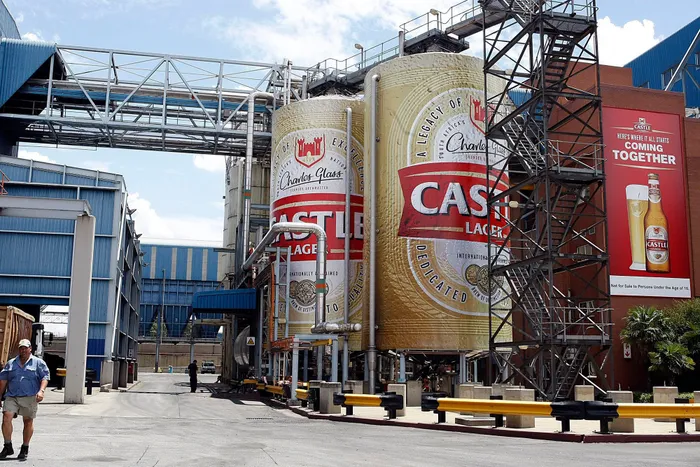
Image: Leon Nicholas / Independent Newspapers
South Africa's beer industry is pushing back against proposed changes to the country's alcohol excise policy, warning that higher taxes could hurt consumers, threaten jobs and fuel the illicit alcohol market.
The South African Breweries (SAB) and the Beer Association of South Africa (BASA) made submissions to National Treasury during stakeholder consultations on Thursday, urging government to adopt a more predictable inflation-linked excise tax framework instead of measures that could significantly increase duties on beer.
The consultation forms part of Treasury's review of South Africa's alcohol excise policy, which seeks to determine how alcohol taxes should be structured in future.
SAB argued that annual excise increases should be linked to the Consumer Price Index (CPI), saying this would preserve government revenue in real terms while giving businesses and consumers greater certainty.
"Sustainable economic growth requires a stable and predictable policy environment," said Zoleka Lisa, SAB's vice-president of corporate affairs.
"Linking annual excise adjustments to inflation is a fair and predictable approach that protects government revenue while giving businesses the confidence to invest, create jobs and plan for the future."
The brewer warned against recurring above-inflation tax increases, saying they would erode consumers' purchasing power and place additional pressure across the beer value chain, from farmers and suppliers to retailers, taverns and hospitality businesses.
SAB also cautioned that widening the price gap between legal and illicit alcohol could encourage more consumers to turn to illegal products, reducing tax compliance and government revenue while placing compliant manufacturers at a competitive disadvantage.
The company said several international markets had adopted inflation-linked excise systems that provide policy certainty while safeguarding tax revenue.
According to SAB, South Africa has an opportunity to implement an excise framework that balances fiscal objectives with economic growth by providing long-term certainty for manufacturers and investors.
Meanwhile, BASA warned that Treasury's proposed reforms could result in excise taxes increasing by as much as 20% on most beers sold in South Africa.
Under the proposed framework, beers with an alcohol content of between 2.5% and 9% would be taxed at 1.2 times the current excise rate. BASA said this category accounts for the vast majority of beers consumed in the country.
The association argued that while reducing alcohol-related harm is a legitimate policy objective, steep tax increases may fail to achieve that goal if consumers simply switch to illicit alcohol.
Instead, BASA said the proposed changes could have unintended consequences for government revenue, employment and investment across the brewing industry.
"It is an important discussion because excise policy affects far more than the price of a beer," said Nirishi Trikamjee, interim CEO of BASA.
"It influences consumer behaviour, investment, employment, government revenue and the sustainability of an industry that supports thousands of livelihoods across the country."
The beer industry argues that a stable and predictable tax regime is essential for long-term planning, particularly for manufacturers that invest heavily in production facilities, agricultural supply chains and distribution networks.
Brewers also argue that the legal beer industry makes a significant contribution to South Africa's economy through manufacturing, farming, retail and hospitality, while generating substantial tax revenue for the fiscus.
The industry's submissions come as National Treasury considers changes to the country's alcohol excise framework amid broader efforts to improve public health outcomes while maintaining revenue collection.
The outcome of the review could shape future excise policy and determine how alcohol taxes are adjusted in coming years.
While Treasury has yet to announce its preferred approach, the consultation process has highlighted the tension between public health objectives and the economic concerns raised by producers, who argue that excessive tax increases risk undermining legal businesses without necessarily reducing harmful alcohol consumption.
BUSINESS REPORT