


At 50, the BMF is confronted with a fundamental question: What does responsible transformation truly mean?
Image: Supplied
Mpho Motsei
Established in 1976, the BMF distinguished itself from other organisations by responding to the systemic exclusion of black professionals from corporate leadership roles. The founders, notably Eric Mafuna, recognised that political change without economic empowerment would have left a critical gap in the quest for true freedom. The BMF was not just a professional network; it was a bold response to the structural barriers that marginalised black professionals from the economic mainstream.
For over half a century, the BMF has played a pivotal role in reshaping the discourse around transformation in corporate South Africa. It has been instrumental in shaping employment equity frameworks, enhancing managerial pipelines, and influencing policy discussions during the critical decade of our nation's democratisation. The black managers we see today across both the public and private sectors are not incidental; they are, in no small measure, the direct outcome of the BMF’s sustained advocacy and institutional influence in shaping Employment Equity and the B-BBEE frameworks.
Visionary leaders like Connie Nkosi and Sebolelo Mahajana have been at the forefront of turning aspirational goals into tangible representation within boardrooms and executive suites. However, as we celebrate this significant milestone, it is imperative to engage in deep reflection rather than mere celebration. The structural challenges facing South Africa’s economy today extend far beyond the issue of representation.
While we have seen some diversification in corporate leadership, ownership remains alarmingly concentrated. Access to capital is still unevenly distributed, and governance failures across both public and private sectors continue to undermine trust in our institutions. With economic growth stagnant, investor sentiment fluctuating, and youth unemployment threatening social cohesion, we must think critically about the BMF's role moving forward.
At 50, the BMF is confronted with a fundamental question: What does responsible transformation truly mean? It is no longer sufficient to focus solely on compliance metrics or demographic scorecards. The next phase of economic transformation must prioritise competence, governance integrity, and sustainable long-term objectives. True representation must correlate with measurable impact, and inclusion must be supported by institutional discipline. Leadership must be credible, not just in appearance but in function.
Moreover, South Africa's economic landscape cannot be viewed in isolation. The continent is undergoing significant structural changes, particularly with the African Continental Free Trade Area aimed at reorganising the South African economy. Regional integration, capital flows, and cross-border trade are reshaping both opportunities and competition.
As South African companies expand into African markets and investors turn their attention to Southern Africa, the BMF has a crucial responsibility to facilitate meaningful discourse on this evolving landscape. This means positioning itself not merely as a political actor but as a platform where leadership, capital, and policy can converge constructively.
We must foster discussions around ownership models, ethical governance, and youth leadership development, all while aligning these conversations with the national narrative to strengthen rather than fragment our collective discourse. Renewal for the BMF should not be about reclaiming past authority but about reimagining its purpose. Founded on a clear mission, the BMF was built on principles of organisation, intellectual rigor, and moral conviction, values that remain urgent today, especially as institutional credibility faces unprecedented challenges.
The language of reform is abundant in South Africa, but it requires institutions capable of sustaining change through disciplined engagement. For our economic recovery, we need a private sector that is effective in driving infrastructure development, mobilising investment, and creating jobs. Leadership in this sector must be accountable, ethical, and strategically aligned with national development goals.
As the BMF marks its 50th anniversary, it must recommit to being a vital platform for meaningful change. This involves elevating discussions beyond mere milestones, critically examining ownership structures, promoting responsible capital mobilisation, and enabling young professionals to play active roles in the economy. Transformation should be evaluated not just by representation but through the lenses of economic resilience, institutional credibility, and good governance.
Ultimately, the BMF’s legacy is significant, but its relevance in the future hinges on its ability to adapt and grow. The organisation emerged out of necessity 50 years ago; its resurgence today must be intentional and strategic. The true challenge lies indisciplined institutional leadership aimed at fostering a South African economy that is more inclusive, competitive, and accountable. As we look to the future, let us ensure that the BMF continues to develop the leaders of tomorrow while remaining steadfast in its commitment to its founding principles.
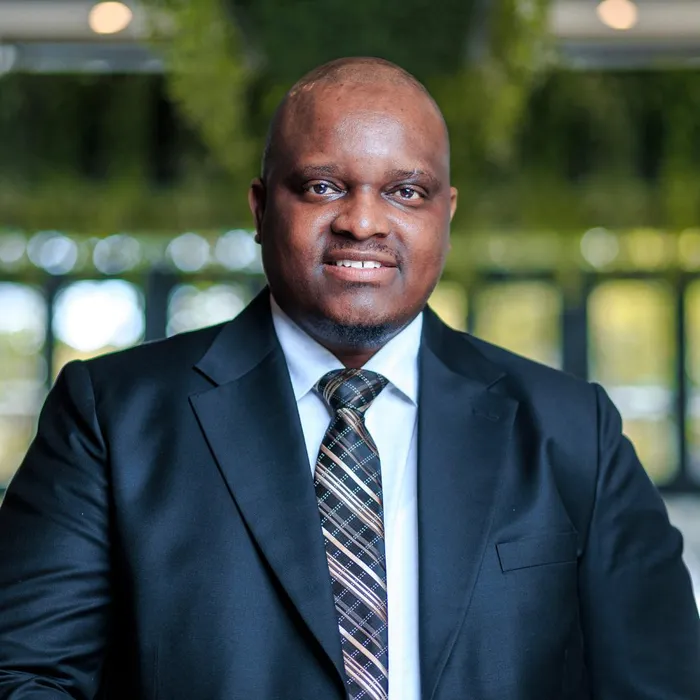
Mpho Motsei is the President of the Black Management Forum.
Image: Supplied
* Mpho Motsei is the President of the Black Management Forum.
** The views expressed do not necessarily reflect the views of IOL or Independent Media.
BUSINESS REPORT