

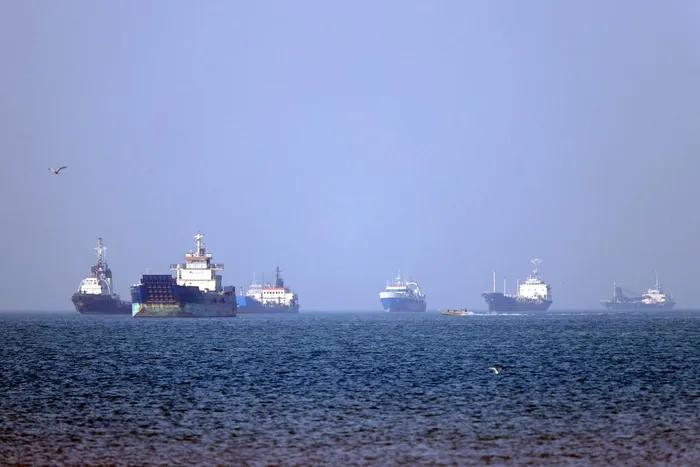
Markets interpreted the remarks as a sign that Middle Eastern oil supply disruptions could ease if a deal is reached.
Image: ISNA /AFP
Global financial markets swung between optimism and caution on Thursday as renewed hopes for a peace agreement between the United States and Iran triggered a sharp drop in oil prices and boosted investor sentiment.
Brent crude futures climbed back above $106 per barrel on Thursday morning after tumbling nearly 6% on Wednesday following comments by US President Donald Trump that Washington was in the “final stages” of negotiations with Iran.
Markets interpreted the remarks as a sign that Middle Eastern oil supply disruptions could ease if a deal is reached.
Iran is reportedly reviewing Washington’s latest draft response to its 14-point proposal, with a potential agreement expected to remove naval blockades affecting commercial shipping through the Strait of Hormuz, a key global oil transit route.
Satellite tracking data showing three supertankers moving through the strait also supported hopes of improving supply conditions.
However, analysts warned that physical oil markets remain under pressure and that any meaningful recovery in Middle Eastern supply could take time. The CEO of Abu Dhabi National Oil Company said full recovery in regional oil flows was unlikely before late 2027.
Wichard Cilliers,head of market risk at TreasuryONE, said safe-haven demand for the US dollar had eased after Trump’s comments, helping improve global risk appetite.
“Trump's statement sent oil plummeting by over 5.0%, which lifted risk sentiment in markets,” said Cilliers.
He noted, however, that losses in the dollar were limited after minutes from the US Federal Reserve’s April meeting revealed a hawkish tone, with policymakers warning that interest rates could still rise if inflation remained above target.
Locally, the rand strengthened sharply on improved market sentiment, briefly trading below R16.40 to the dollar before settling at R16.46.
On Thursday morning, the currency traded around R16.50 against the greenback after the latest inflation data raised expectations of a potential rate hike by the South African Reserve Bank.
South Africa’s inflation rate climbed to an over one-and-a-half year high of 4% in April from 3.1% in March, surpassing the consensus of 3.9% and reaching the upper limit of the central bank's 3% target.
The simultaneous rise in core inflation suggested broader price pressures building in the economy, driven by the energy shock associated with the Iran conflict.
Bianca Botes, managing director at Citadel Global, said markets remained highly sensitive to developments around the US-Iran negotiations.
“Oil prices dropped more than 5.6% as markets priced in hopes of a US-Iran deal, despite ongoing tensions around the Strait of Hormuz,” said Botes.
BUSINESS REPORT